





















Art, Legacy and the Business of Survival: Inside the Launch of the Art Legacy Gala Dinner
By: Mhlengi Mafu
There was luxury in the room, of course. There was music, fashion, business and some of the biggest names in South African entertainment. But beneath the glamour of the inaugural Art Legacy Gala Dinner was a conversation far more serious than the setting itself: What happens to an artist when the applause stops?
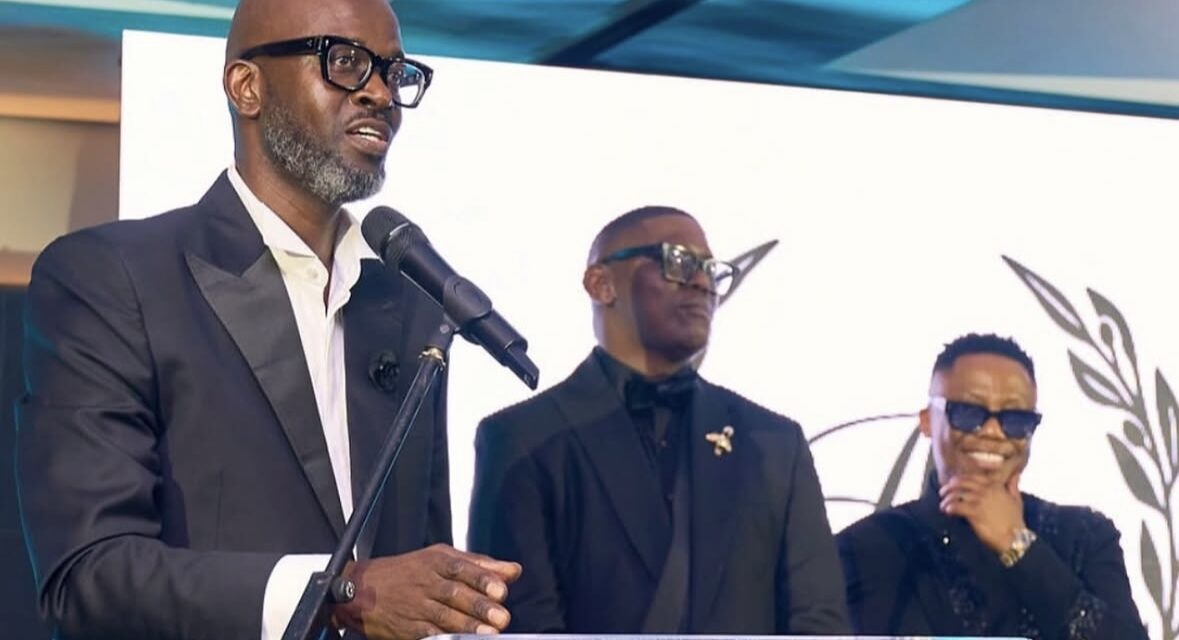
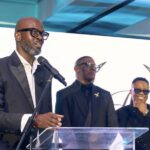
Hosted by Black Coffee, DJ Tira and DJ Merlon, the Art Legacy Gala Dinner marked the launch of an ambitious fund aimed at supporting and strengthening the arts sector — an industry that has produced some of South Africa’s biggest cultural exports, while often leaving many of its own practitioners financially vulnerable.
The dinner brought together a powerful cross-section of the creative and business communities, with artists including Khuzani, Saso, Zawadi and many others in attendance. The guest list also featured influential business figures, including AmaZulu Royal Chancellor Inkosi Malusi Zondi and businessman Calvin Ntenga, among others.
It was a gathering that felt less like another celebrity dinner and more like a meeting of people who understand the value of influence — and the responsibility that should come with it.
When success becomes responsibility
At the centre of the evening was Grammy Award-winning global music star Black Coffee, who has increasingly used his influence beyond the dancefloor and the international stage. His foundation has previously focused on initiatives aimed at creating sustainable impact and opportunities for communities, with recent fundraising efforts also supporting the development of music education.
But on this particular evening, the conversation turned towards a difficult reality within the creative economy.
Black Coffee spoke about the need for artists to think beyond fame and immediate success. His message was rooted in the uncomfortable truth that many artists build careers that appear successful from the outside but remain financially fragile behind the scenes.
To illustrate the importance of collective support, Black Coffee reflected on the case of the great Lvovo Derrango, who suffered a stroke and faced serious health challenges that required extensive medical care and financial support.
The example landed heavily in a room full of people who understood the unpredictability of the industry.
The question was not whether Lvovo was a successful artist. He was.
The real question was why, after years of entertaining the country and contributing to its cultural identity, an artist could still find himself facing such uncertainty during a medical crisis.
That, perhaps, was the emotional heart of the Art Legacy Fund.
Artists are often expected to survive on passion. Society enjoys the music, attends the concerts, streams the songs, watches the performances and celebrates the celebrities. Yet when the bookings slow down, when illness arrives or when age changes the pace of a career, the support system is often nowhere to be found.
Black Coffee’s speech therefore carried a challenge to the industry itself: success should not only be measured by individual wealth, international bookings or social media numbers. It should also be measured by what the successful are able to build for those who come after them — and for those who may one day need the industry’s support.
DJ Tira: Building beyond the brand
For DJ Tira, one of the pioneers of Durban’s contemporary music culture and one of the country’s most recognisable entertainment entrepreneurs, the evening represented another important evolution of the industry.
Tira’s presence in the initiative was particularly significant because his career has been built on more than being a performer. Through his influence, he has helped develop artists, platforms and opportunities, while also demonstrating that longevity in entertainment requires business thinking.
His message at the gala spoke to the importance of unity and collective responsibility.
The arts industry, particularly in South Africa, has often been fragmented by competition. Artists compete for bookings. Labels compete for talent. Promoters compete for audiences. But the Art Legacy Fund proposes a different idea: that the industry can still compete creatively while collaborating for survival.
Tira’s involvement alongside Black Coffee and Merlon brought together three artists from different spaces of the music business, united by the understanding that the next phase of South African entertainment cannot only be about producing stars.
It must also be about protecting them.
DJ Merlon and the next generation
DJ Merlon’s contribution to the evening brought another dimension to the conversation.
Representing a generation that has seen African music become increasingly global, Merlon spoke to the need for sustainability and infrastructure within the creative sector.
Talent, after all, is everywhere.
What is not always available is access.
Many young artists have the creativity to succeed but lack funding, mentorship, equipment, professional guidance and business knowledge. The gap between having a gift and building a sustainable career remains one of the biggest challenges within the arts.
Merlon’s message was about creating something that lasts beyond the current moment.
The Art Legacy Fund is therefore not simply about assisting artists when they are in crisis. Its broader importance lies in the possibility of creating an ecosystem where artists can be supported before they reach crisis.
That distinction matters.
Because a healthy creative economy should not only respond when an artist is suffering. It should help artists prepare, develop, learn and build sustainable careers while they are still active.
More than a glamorous dinner
The Black Coffee Foundation has previously positioned its work around sustainable upliftment and empowerment, while its fundraising initiatives have increasingly highlighted the importance of education and long-term opportunities within the music industry.
The foundation’s broader philosophy is perhaps best understood through the idea that artists and creatives should not be seen merely as entertainers, but as contributors to the economy, culture and future of the country.
A representative of the foundation previously described this kind of work as being about creating opportunities and shaping futures, while continuing to make a lasting difference through collaboration, passion and purpose.
That sentiment was evident throughout the Art Legacy Gala Dinner.
The room was filled with artists who have spent years giving South Africans something to dance to, sing along to and celebrate. But the evening asked guests to consider something beyond entertainment.
What happens when those artists need help?
What systems exist to support them?
And more importantly, why should an artist have to wait until tragedy strikes before the industry comes together?
A room full of possibility
The presence of artists such as Khuzani, Saso and Zawadi, alongside cultural figures and business leaders, reflected the wider vision of the initiative.
The arts need artists.
But they also need business.
They need investors, legal experts, marketers, philanthropists, entrepreneurs and institutions that understand that culture has economic value.
The Art Legacy Gala Dinner brought those worlds into the same room.
There was no shortage of star power, but perhaps the most important people in the room were those capable of turning conversations into structures.
Inkosi Malusi Zondi’s presence represented the continuing connection between culture, traditional leadership and economic development, while business leaders such as Calvin Ntenga reflected the importance of private-sector participation in building sustainable creative industries.
Because philanthropy alone cannot save the arts.
The sector needs systems.
It needs funding models.
It needs education.
It needs financial planning.
It needs institutions that understand that the person who makes South Africa dance is also a worker, a businessperson, a parent and, ultimately, a human being who may one day need support.
The beginning of a legacy
The launch of the Art Legacy Gala Dinner and Fund comes at a time when South African artists are increasingly becoming global brands. The world is listening to African music, dancing to African rhythms and paying attention to African culture.
But global visibility does not automatically translate into local sustainability.
That is where initiatives such as this become important.
Black Coffee, DJ Tira and DJ Merlon have already built impressive individual legacies. They have achieved the kind of success that many young artists dream about.
The bigger question now is what they leave behind.
On this evening, the answer began to take shape.
The Art Legacy Gala Dinner was not simply a celebration of artists who have made it. It was a reminder that an industry is only truly successful when it creates a future for those who have not yet arrived — and dignity for those who may one day need to step back.
For a sector that has too often celebrated its artists in life but struggled to support them in difficult moments, the Art Legacy Fund represents an important conversation.
And perhaps that is where every real legacy begins.
Not with applause.
But with responsibility.






Recent Comments